
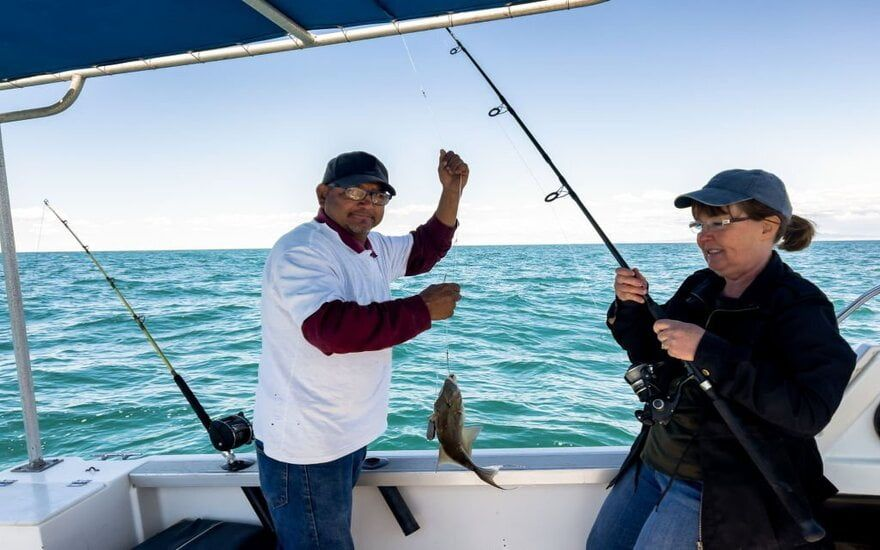
Seasonal travel plays a pivotal role in determining the success of both fishing and hunting adventures. Timing a trip to match wildlife behavior and environmental conditions can transform an average experience into an unforgettable one. Hunters and anglers alike need to understand the subtle shifts in nature to maximize their chances of success. Whether it’s chasing migratory birds or deep-sea giants, the season dictates strategy, equipment, and expectations.
Peak Timing For Duck Hunting Success
Duck hunting, the pursuit of waterfowl for sport or sustenance, thrives on precise timing. Ducks migrate based on weather patterns and food availability. Early fall brings certain species to northern wetlands, while late winter sees them moving south. Hunters must track these movements closely. Seasonal travel ensures hunters are in the right locations at the right times. Planning trips around these migrations drastically improves the odds of a fruitful duck hunting expedition.
Blue Marlin Fishing Tour Planning And Seasons
A blue marlin fishing tour targets one of the ocean’s most powerful game fish. These tours depend heavily on the season and water temperature. In tropical waters, blue marlin migrate to feed and spawn at specific times. Anglers who schedule trips during peak migration encounter higher catch rates. Seasonal travel also affects ocean conditions like currents and wind, which directly influence a blue marlin fishing tour. Aligning trips with these natural cycles boosts the likelihood of landing a trophy fish.
Weather Patterns Shaping Hunting And Fishing Trips
Weather is a silent guide for both hunters and anglers. Rain, wind, and temperature shifts alter animal behavior. In duck hunting, sudden cold fronts push birds toward warmer areas, changing their feeding patterns. Similarly, in deep-sea fishing, storm fronts and calm seas affect fish location and activity. Understanding seasonal weather trends allows travelers to choose dates that maximize success. Ignoring these patterns often results in wasted trips.
Local Ecosystem Changes During Migration Seasons
Seasonal travel is crucial because ecosystems transform throughout the year. Wetlands swell and shrink, affecting duck habitats. Coastal waters heat up or cool down, impacting blue marlin feeding grounds. Hunters and anglers who adjust their plans according to these changes experience better results. Observing the environment during migration seasons helps in identifying hotspots. Both duck hunting and blue marlin fishing tour trips are more productive when the ecosystem’s seasonal shifts are respected.
Equipment And Gear Adjustments By Season
Seasons dictate the gear needed for optimal performance. In duck hunting, colder months require insulated clothing and decoys suited for smaller flocks. In contrast, a blue marlin fishing tour may demand heavier tackle, different lures, and specialized boats for rough seas during certain months. Seasonal travel allows enthusiasts to pack efficiently and safely. Arriving prepared ensures that neither the elements nor wildlife behavior undermine the trip’s success.
Maximizing Experiences With Seasonal Awareness
Understanding the impact of seasonal travel enhances both enjoyment and results. Hunters can witness breathtaking migrations while anglers experience the thrill of battling a blue marlin under perfect conditions. Seasonal planning also prevents disappointment caused by arriving too early or too late. The right timing allows for a balance between challenge and reward, turning every trip into a memorable adventure.
Conclusion
Seasonal travel is more than a scheduling detail; it is a strategic element that shapes the success of fishing and hunting trips. Knowledge of migration patterns, weather cycles, and ecosystem changes empowers enthusiasts to plan effectively. By considering timing, conditions, and gear, hunters and anglers increase their chances of triumph.