
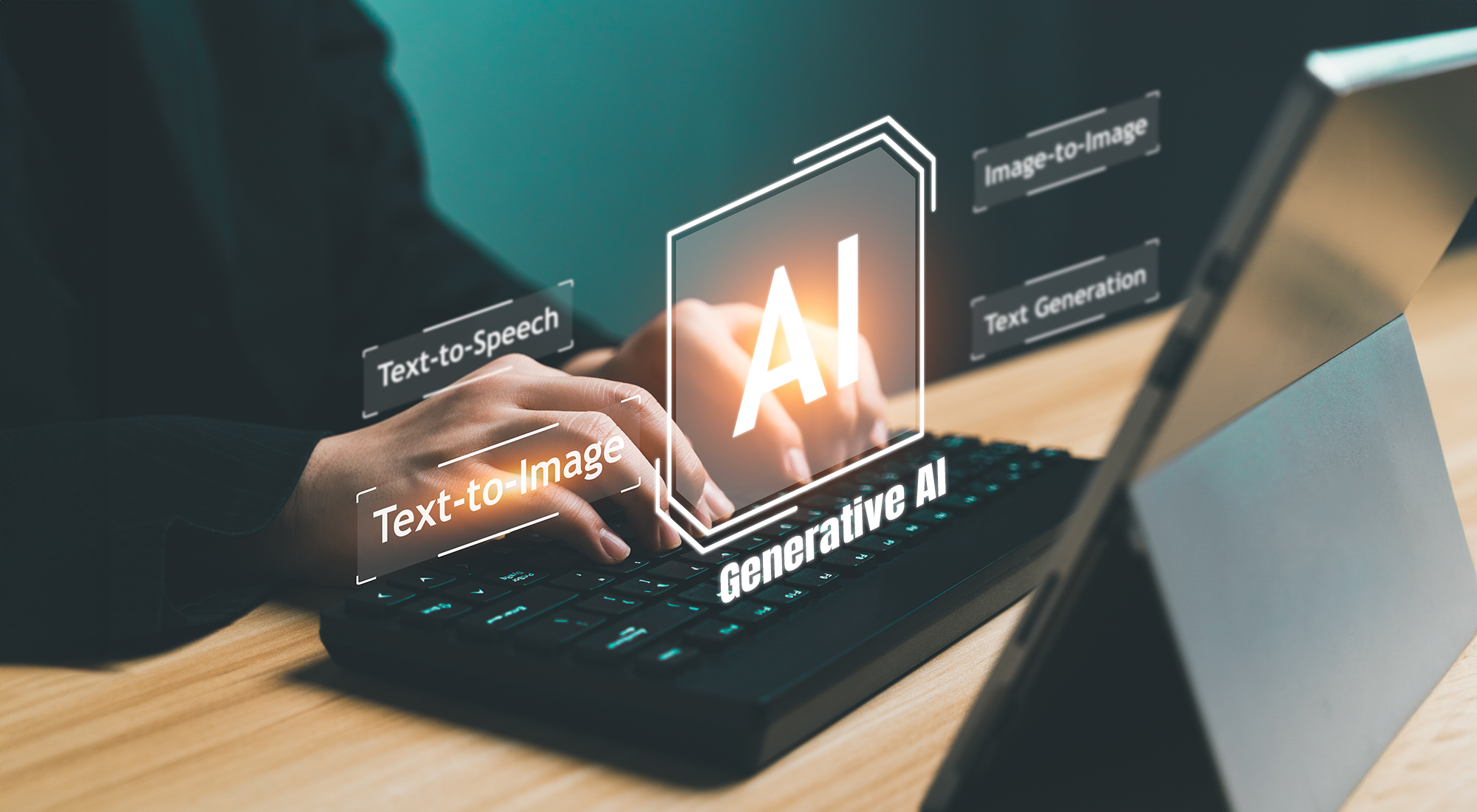
Generative AI is fast gaining momentum as one of the important technologies of the present and has applications that span different industries, from entertainment to healthcare to education and finance. As the technology develops, keeping up-to-date with the latest developments, applications, and trends is essential for companies, researchers, and fans alike.
In this piece, we’ll examine the current state of Generative AI by examining its developments, practical applications, and the trends likely to determine its future. Whether you’re a tech expert, a business leader, or just curious about AI, this thorough guide will give you useful insights into the constantly changing world of Generative AI.
Advances in Generative AI
Generative AI has experienced significant progress in recent years, driven by advances in neural networks, machine learning, and processing of data processing. The most significant breakthroughs include:
Models of Transformers
The invention of transformer-based models such as GPT (Generative pre-trained transformer) created by OpenAI is what has revolutionized the field of natural processing of language (NLP). These models excel in understanding and creating text that resembles human language and allowing a variety of applications, from chatbots to content creation.
Diffusion Models
Diffusion models are a breakthrough in AI, especially in the area of the generation of images. They improve the quality of images by enhancing noise patterns, which results in extremely detailed and real-looking images. The technology is being studied to be used in entertainment, design, or even in drug research.
AI-Driven Tools for Creativity
Generative AI is used to create tools that aid musicians, artists, and writers with their creative process. Tools such as DALL-E to generate images and Jukedeck as a music composer allow creatives to look at new avenues of artistic expression and expand the boundaries of their art.
AI Ethics and Bias Elimination
As the power of Generative AI increases, does the attention on ensuring that the systems are fair and free of bias? Innovative approaches to AI fairness, transparency, as well as accountability are brought into the process of development to ensure more fair and reliable AI systems.
Generative AI Applications in Various Industries
Generative AI is having huge waves across different industries, bringing new possibilities and ways to improve existing processes. A few of the most significant applications include:
Healthcare
In the healthcare field, Generative AI is being employed to discover drugs as well as medical imaging and customized treatment plans. AI-generated compounds are being investigated for their potential to treat ailments, and artificial intelligence-powered imaging devices are increasing the accuracy of diagnosis.
Finance
The financial sector is making use of Generative AI for fraud detection as well as algorithmic trading, along with customer care. AI-generated models can be used to detect patterns and irregularities of financial records, assisting to detect fraud and enhance trading strategies.
Entertainment and Media
Generative AI is changing the industry of entertainment, making content, such as films music, videos, and games. AI-generated music compositions, scripts and game-like environments are becoming more common and offer new ways to entertain the public and improve production processes.
Education
In the realm of education, Generative AI is being employed to design customized learning experiences, create educational content, and aid in language learning. AI-driven tools are able to adapt to the individual’s learning style and provide individualized instruction that improves the outcomes of students.
Retail and E-Commerce
Retailers are utilizing Generative AI to enhance customer experiences by providing personalized recommendations, dynamic pricing and virtual test-ons. AI-generated content is also utilized as part of marketing strategies to produce more relevant and engaging ads.
Future Trends in Generative AI
In the meantime, as Generative AI continues to evolve, several trends will likely influence its future development:
AI and Human Collaboration
The future of Generative AI is in its ability to cooperate with humans instead of replacing them. AI is increasingly being utilized to boost human intelligence and make better decisions, which will enable more efficient and innovative solutions across a range of disciplines.
AI in Ethical Decision-Making
The ethical consequences ethical implications of AI become more evident. Future developments will likely be focused on developing AI systems that can make ethical choices. This will include ensuring that the AI-generated content is fair, impartial, and secure for users.
Real-Time AI
As the processing power and algorithms advance and improve, we will experience more real-time applications for Generative AI. This will allow AI to create content and make decisions in real-time and open up new possibilities in areas such as games, live entertainment, as well as autonomous systems.
AI for Sustainability
Generative AI is expected to play a crucial role in the solution of global challenges like the effects of climate changes and management of resources. AI-powered models can improve energy consumption, reduce waste, and provide solutions to sustainable development.
AI and the Metaverse
The metaverse concept–a virtual realm where people interact via digital avatars will likely be greatly influenced Generative AI. AI can be utilized to create interactive, immersive environments, create content and even enable interactions between people in these virtual environments.
Limits and Things to Think About
Although the possibilities in Generative AI are enormous but there are some issues to be tackled to ensure its ethical and efficient use
Security and Privacy of Data
The use of huge datasets to create AI models has raised concerns regarding data security and privacy. Ensuring that AI models are built with security safeguards that are robust and that they comply with regulations regarding data protection is crucial.
Bias and Fairness
Generative AI models could inadvertently reinforce biases in their learning data. Finding ways to reduce these biases while ensuring the fairness of AI-generated content is an important problem.
Intellectual Property and Ownership
The issue of who owns AI-generated content is becoming more important. In the future, as AI continues to create more innovative material, clear rules regarding ownership rights and intellectual property will be required.
Regulation and Governance
As Generative AI is more prevalent and widespread, there will be a greater requirement for rules and governance frameworks that ensure the safety and ethics of its usage. The policymakers will have to collaborate with tech experts to develop standards that safeguard users and encourage the development of.
Conclusion
Generative AI is on the leading edge of technological innovation and is bringing new opportunities across all industries, and changing how we think about our creativity, decision-making, and solving problems. If you are aware of the most recent developments and trends, researchers, businesses, and even individuals can leverage the potential that comes from Generative AI to boost development, innovation, and positive changes.
As this technology continues to develop, it’s vital to consider the risks and ethical issues that go with it. In doing this we can ensure Generative AI is utilized responsibly and efficiently, opening the path for a future in which AI and humans cooperate to achieve amazing results.