
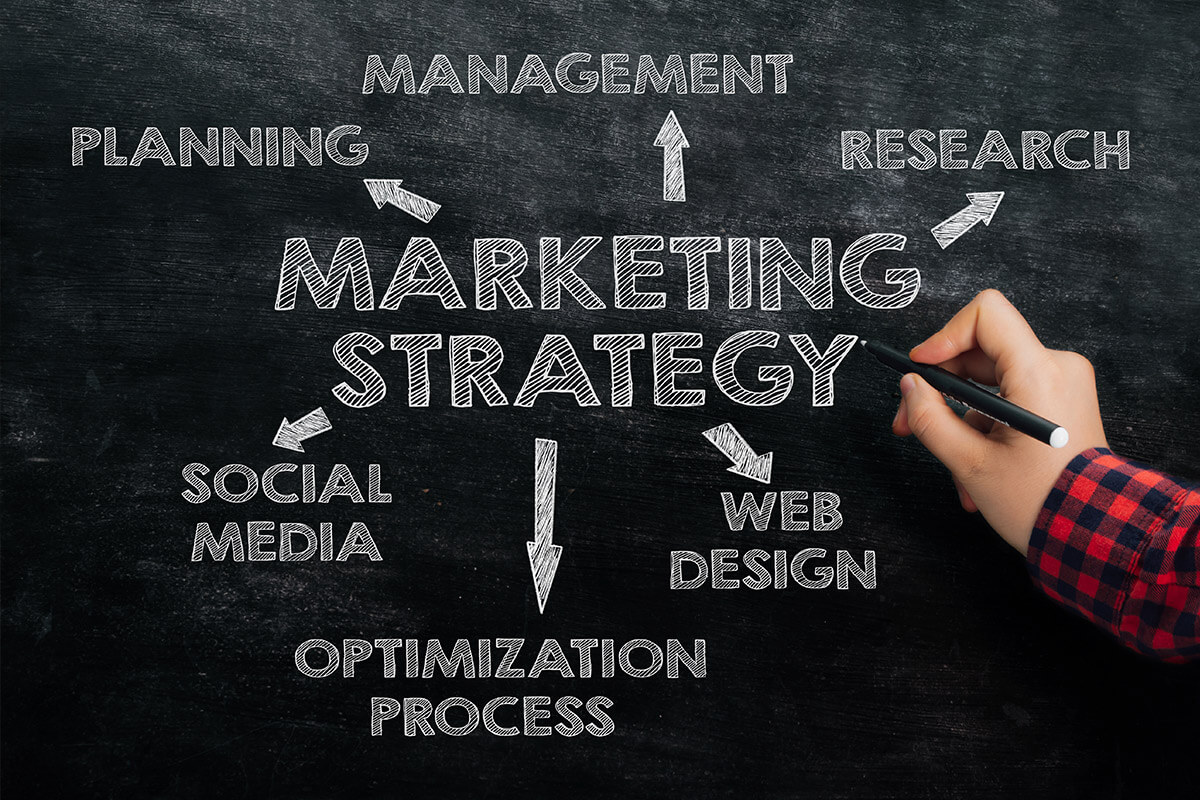
A comprehensive and effective digital strategy is not only a necessity but also a luxury in the rapidly changing digital landscape. A successful digital strategy can have a significant impact on brand awareness, customer engagement, and the bottom line. Understanding the components of a successful digital marketing strategy is crucial for achieving these goals. A Digital Marketing Course can help you become an expert in creating top-notch strategies for digital marketing.
This article will explore the key elements that businesses can use to create a digital marketing strategy that is both powerful and results-driven.
Explicit and quantifiable objectives
Clearly defined goals are the foundation of any successful digital marketing strategy. Your efforts will be guided by these goals. Your goals should be specific (SMART), measurable, realistic, time-bound, and relevant. You can track your progress and create strategies with well-defined goals.
By setting specific goals, you can focus your efforts on the areas that will have the greatest impact and direct resources accordingly. If your goal is increasing website traffic, for example, you could develop strategies that focus on content creation, social media promotion, and SEO. If you want to increase sales, your strategy may focus on email marketing campaigns and PPC advertising.
Determining the intended audience
Any marketing strategy must start with a clear understanding of your target market. You must know your ideal customer, their demographics and interests, as well as their behaviors, pain points, and behavior. You can use this information to customize your messaging and content to appeal to your audience. This will increase the chances of conversions and engagement. Create detailed buyer personas to help you understand and relate to your target audience. This will make it easier for you address their needs.
Segmenting your audience allows you to create more relevant and personalized content. You can tailor content to your audience’s preferences, challenges and aspirations by categorizing them into distinct groups. This method increases customer satisfaction, because customers feel valued and understood by your brand.
All-inclusive Content Strategy
Digital marketing is all about content. Content strategy is a comprehensive approach that involves creating relevant and high-quality content in various formats such as blogs, videos, infographics and podcasts. Consistently creating content establishes you as an authority in your industry, aids SEO and engages audiences. Your content strategy should be centered around addressing the pain points of your audience, answering their questions and providing solutions. This will build trust and credibility.
Diversity and consistency are the keys to a successful strategy. Producing an array of content that is educational, informative and entertaining keeps your audience interested and returning for more. Regular updates signal to search engine that your website has been updated and is relevant. This will improve your ranking in search results.
SEO stands for search engine optimisation.
Search engine rankings are essential to driving organic traffic towards your website. SEO is the process of optimizing your website to rank higher in search results for relevant keywords. On-page optimization is part of this, as are quality link building, optimizing the speed and experience of your website, and creating shareable and valuable content. A successful SEO strategy can increase visibility, website traffic and conversions.
Investing in SEO yields long-term benefits. Your website will be more visible to potential customers who are actively searching for information or products related to your industry when it ranks higher in the search results. A solid SEO strategy will position your brand in the digital journey of your audience, as most online experiences start with a search query.
Participation on Social Media
Social media platforms allow you to interact with your audience at a personal level. A successful social media strategy includes choosing the best platforms for your industry and target audience, creating engaging content and regularly interacting with them. Storytelling, visual content and user-generated material can foster meaningful relationships with followers. This will lead to an increase in brand loyalty and word of mouth marketing.
Campaigns for Email Marketing
Email marketing is still one of the best ways to reach your audience. You can use an email list to promote your products and services, nurture leads, or share valuable content. Segmented and personalized email campaigns are more likely to be opened and clicked on, since they address the needs and interests of specific segments of your audience.
Online advertising that allows you to pay for each click is known as pay-per-click (PPC) advertising.
PPC advertising is the practice of placing your ads in search engines and on social media. You only pay if someone clicks on your ad. This is a great way to target the right people by showing them ads based on their search or interests. Platforms such as Google Ads or Facebook Ads provide advanced targeting capabilities, tracking capabilities and the ability for campaigns to be adjusted in real-time.
PPC advertising offers instant results and visibility. PPC ads are a great way to get your brand in front potential customers quickly. The data collected through PPC campaigns is also a valuable source of information about keywords that are effective and the behaviors of customers. This can help you to develop your digital marketing strategy.
Influencer collaborations
Influencer marketing uses the online popularity and credibility that individuals with a strong presence in your field have. Collaboration with influencers allows you to tap into their following, increasing your brand’s credibility and reach. It’s crucial to choose influencers who align with your brand and have a relevant and engaged audience.
Influencer marketing gives your brand authenticity. Influencers who promote your product or service come across more as trusted recommendations than traditional advertisements. This method builds trust among your target audience, and can lead to higher conversion rates than conventional advertising.
Analysis and Iteration of Dat
A successful digital strategy isn’t static, but rather adaptive. Analyzing the data generated by campaigns regularly can give you insights on what is working and what is not. Monitoring key performance indicators (KPIs), such as website traffic and conversion rates, click through rates and engagement metrics, is important. This data-driven method allows you to optimize your campaigns, refine your strategies and make better decisions over time.
Optimisation for Mobile
Due to the growing use of mobile devices it is important that your digital marketing efforts be optimized for mobile. All of your content, including emails, ads and website, should be easily accessible and responsive on different screen sizes. A seamless mobile experience increases user engagement and maintains a positive brand impression.
Mobile optimization goes beyond responsive design. It involves tailoring content and the user interface to the preferences and behaviors of mobile users. This may include a simplified navigation, concise formatting of content, and strategically placed call to actions that are aligned with mobile browsing habits.
Conclusion
A well-crafted digital marketing strategy will help businesses stand out, engage their audience and reach their goals. This article will provide you with a guide to Digital Marketing Training. It will also help you build a successful strategy that includes goal setting, audience targetting, content creation and optimization, SEO, social engagement, email marketing and PPC advertising.