
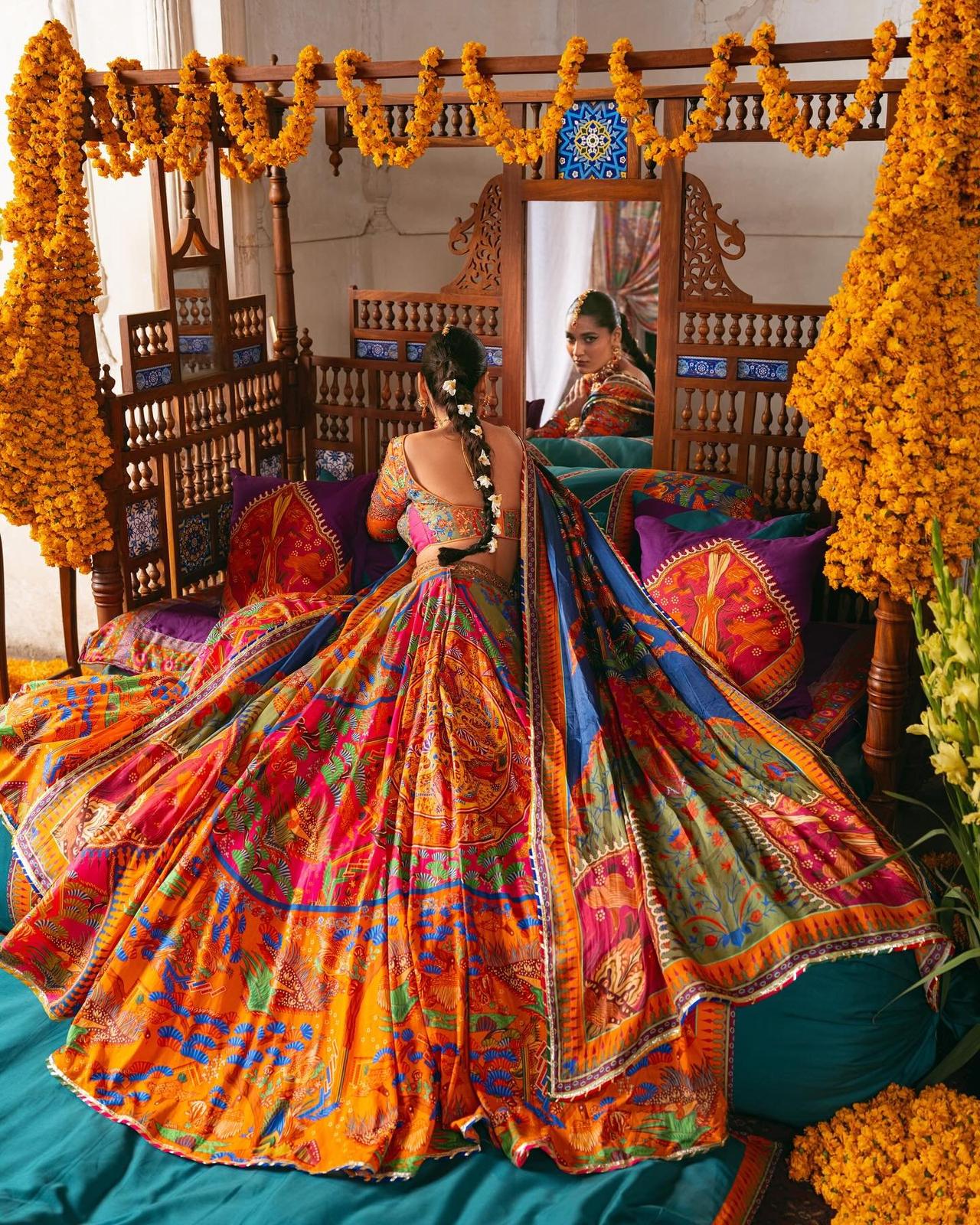
Apparel is extra than just material; it’s far an expression of records, culture, and culture. traditional clothes from one-of-a-kind components of the arena provide a glimpse into the values and identity of various societies. right here’s a examine 10 iconic conventional dresses from across the globe:
1. Kimono (Japan)
The Kimono is a long, T-shaped robe with huge sleeves and a wrap-round sash called the obi. regularly made from expensive silk, kimonos are adorned with difficult patterns and are worn at some stage in special occasions which includes weddings, tea ceremonies, and festivals. The layout of a kimono varies with the aid of season, age, and gender of the wearer.
2. Sari (India)
The Sari is a beautiful, flexible garment that includes a protracted strip of material, generally 5 to 9 yards, wrapped elegantly around the frame. it is draped over the shoulder and worn with a blouse and underskirt. Saris are made from diverse fabrics and come in limitless designs, making them suitable for both every day wear and special occasions in India, Bangladesh, and Nepal.
3. Hanbok (Korea)
Hanbok is the conventional apparel of Korea, characterized via its vibrant colors and easy lines. It usually consists of a jacket (jeogori) and a full, high-waisted skirt (chima) for women, or loose pants (baji) for guys. Hanbok is worn for the duration of gala’s, holidays, and unique ceremonies, symbolizing the grace and elegance of Korean subculture.
4. Dirndl (Germany/Austria)
The Dirndl is a traditional get dressed from the alpine regions of Germany and Austria. It consists of a bodice, blouse, full skirt, and apron. in the beginning worn through peasants, the dirndl has become a image of Bavarian culture and is maximum normally visible at some stage in the famous Oktoberfest.
5. Kilt (Scotland)
The kilt, a knee-length skirt manufactured from woolen tartan fabric, is historically worn by means of guys in Scotland. every kilt sample, or tartan, represents a selected extended family. while kilts are actually especially worn for formal activities and ceremonies, they stay a proud image of Scottish background.
6. Dashiki (West Africa)
The Dashiki is a colourful, free-fitting garment worn more often than not in West African nations consisting of Nigeria and Ghana. it’s miles historically made of cotton and embellished with vibrant styles. Dashikis are worn by both males and females, mainly at some point of celebrations, and feature turn out to be a symbol of African pride and identification.
7. Cheongsam/Qipao (China)
The Cheongsam, or Qipao, is a high-necked, form-becoming dress worn by using chinese language women, specially in the course of formal events. The dress is generally manufactured from silk and capabilities tricky embroidery. Its records dates back to the Qing Dynasty, and it has grow to be a image of beauty in current chinese style.
8. Poncho (South the usa)
The Poncho is a simple, sleeveless garment with a hole in the middle for the head, historically worn by means of the indigenous peoples of the Andes place in South america. crafted from wool or different heat fabrics, ponchos are sensible for bloodless mountain climates and are regularly embellished with geometric patterns symbolizing the wearer’s community or tribe.
9. Bunad (Norway)
Bunad is the conventional dress of Norway, worn at some point of countrywide holidays and critical ceremonies like weddings and christenings. each place of Norway has its very own wonderful Bunad layout, reflecting neighborhood traditions and craftsmanship. Made with high-quality substances, bunads are regularly exceeded down via generations as circle of relatives heirlooms.
10. Abaya (middle East)
The Abaya is a protracted, flowing black cloak worn via ladies in many middle japanese nations. it is paired with a headband, or hijab, and is worn according with Islamic customs of modesty. while traditionally easy, present day abayas can characteristic complicated embroidery and gildings, merging tradition with modern-day style.
Conclusion
traditional dresses are more than just attire; they’re a reflection of cultural identity, values, and records. From the elegance of the japanese kimono to the colourful vibrancy of the West African dashiki, these clothes provide a unique window into the world’s diverse cultural background. As globalization spreads, retaining those traditional attires remains a way to honor and have a good time the rich histories they constitute.