
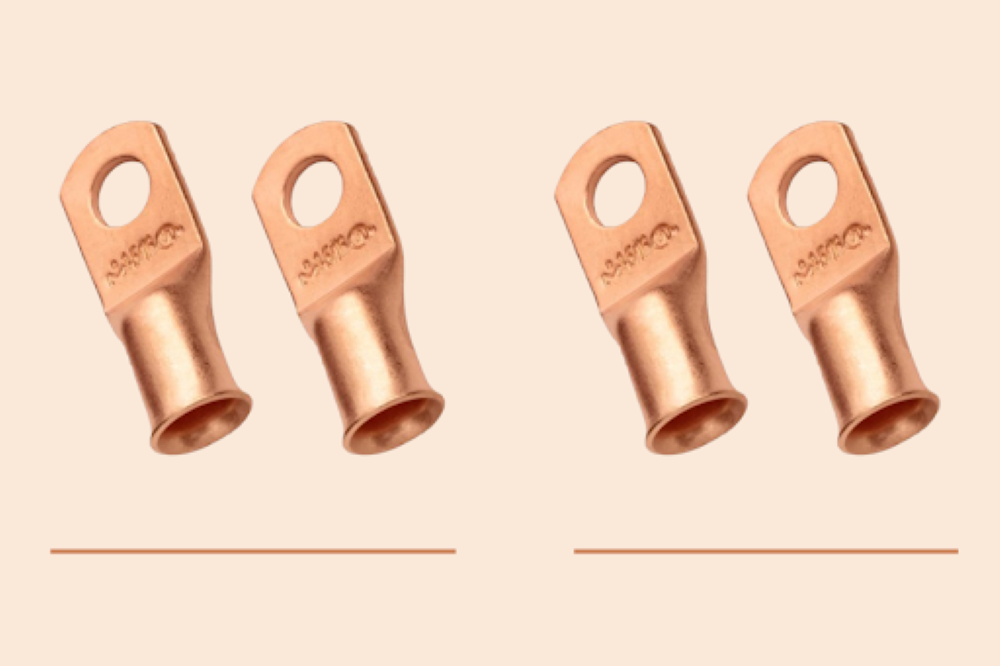
In electrical installations, cable size gets most of the attention. But the connection at the end of that cable is just as important. When you’re working with thick conductors designed to carry high current, the wrong lug can undo all that careful planning. This is where a 1 AWG cable lug becomes essential. It’s not a general-purpose connector. It’s built for specific loads, environments, and performance expectations.
So when exactly should you use 1 AWG lugs? Let’s break it down in practical terms.
Understanding What 1 AWG Really Means
1 AWG refers to a wire gauge that sits just below 1/0 in size. It’s thick, heavy, and designed for serious current flow. These cables are commonly used in systems where voltage drop, heat buildup, and reliability matter far more than compact size.
Because of this, the lug connected to a 1 AWG cable must:
- Match the conductor size precisely
- Handle high current without overheating
- Maintain strong mechanical grip over time
Using a smaller or mismatched lug creates resistance at the joint, which is often where failures begin.
Situations Where 1 AWG Lugs Are the Right Choice
1. High-Current Battery Connections
Battery banks in RVs, marine setups, off-grid solar systems, and backup power units often rely on 1 AWG cables. These systems push significant current during charging and discharge cycles.
A properly sized 1 AWG cable lug ensures:
- Stable current flow
- Reduced voltage drop
- Minimal heat at terminals
This becomes especially important in lithium and deep-cycle battery systems that operate continuously.
2. Inverters and Power Distribution Systems
Inverters draw high current from batteries, especially at lower voltages. A weak connection at the lug can cause performance issues long before the cable itself reaches its limit.
Using correctly rated 1 AWG lugs helps:
- Maintain consistent inverter output
- Protect terminals from overheating
- Extend the life of connected equipment
In these setups, the lug is often the most stressed point in the circuit.
3. Automotive and Heavy Vehicle Applications
High-performance audio systems, winches, auxiliary battery setups, and commercial vehicles need 1 AWG wiring to function properly.
The systems experience environmental conditions which combine with vibration to create mechanical stress on the systems. The correct crimping of a 1 AWG cable lug creates a strong connection. This connection stays intact during ongoing motion.
4. Marine and RV Installations
Marine and RV systems combine high current with challenging environments. Moisture, corrosion, and limited service access make connection reliability critical.
While cable insulation protects the conductor, the lug protects the termination. Choosing the right 1 AWG cable lug helps prevent connection failures that are difficult to diagnose later.
Electrical Performance Benefits of Using the Right Lug
1. Lower Resistance at the Connection
A lug that fits the conductor perfectly creates a solid contact area. This reduces resistance, which directly improves efficiency.
Lower resistance means:
- Less energy wasted as heat
- Better voltage stability
- More predictable system behavior
2. Improved Heat Management
Heat almost always starts at poor connections. Undersized or loosely crimped lugs concentrate current into small contact points.
A quality 1 AWG cable lug spreads current evenly across the terminal surface, keeping temperatures under control even during high loads.
Safety Reasons You Shouldn’t Compromise on Lugs
Reduced Fire Risk
Overheating at terminals is a leading cause of electrical fires in high-current systems. Using the correct lug size is a simple but effective way to lower that risk.
Mechanical Strength and Longevity
1 AWG cables are heavy. The lug must support that weight without flexing or loosening over time. Strong construction ensures the connection remains stable through vibration and thermal expansion.
Reliable Fault Handling
During short circuits or surge conditions, connections experience extreme stress. A well-matched lug helps maintain the circuit path long enough for protection devices to do their job.
Common Mistakes to Avoid with 1 AWG Lugs
Even experienced installers sometimes slip up. Watch out for:
- Using 1/0 lugs on 1 AWG cables and “making it fit”
- Improper crimping tools
- Mixing incompatible metals between lug and terminal
- Skipping insulation or strain relief
Each of these introduces long-term reliability issues.
How to Choose the Right 1 AWG Cable Lug
Before selecting a lug, confirm:
- Exact wire gauge compatibility
- Stud hole size
- Material quality
- Application environment
High-quality bare copper lugs are commonly used for their excellent conductivity and mechanical strength, especially in controlled environments.
Why Selterm 1 AWG Lugs Are Built for Real Installations
Selterm’s 1 AWG cable lugs are designed with real-world electrical demands in mind. They offer:
- Precise sizing for secure crimps
- High-conductivity copper construction
- Consistent performance across applications
This makes them suitable for battery systems, power distribution, automotive setups, and more.
The Small Choice That Carries Big Current
Using the right lug isn’t optional when you’re working with high-current systems. The system requires this essential element to achieve its electrical performance goals and maintain safety standards. For installations which need thick conductors, along with heavy loads and nonstop operation, 1 AWG lugs provide the best solution. A properly selected 1 AWG cable lug ensures efficient power transfer, safer connections, and long-term reliability.
If you’re planning a high-current setup or upgrading an existing one, explore Selterm’s range of 1 AWG lugs designed to deliver dependable performance where it matters most.